By Bedor Al Obaidi
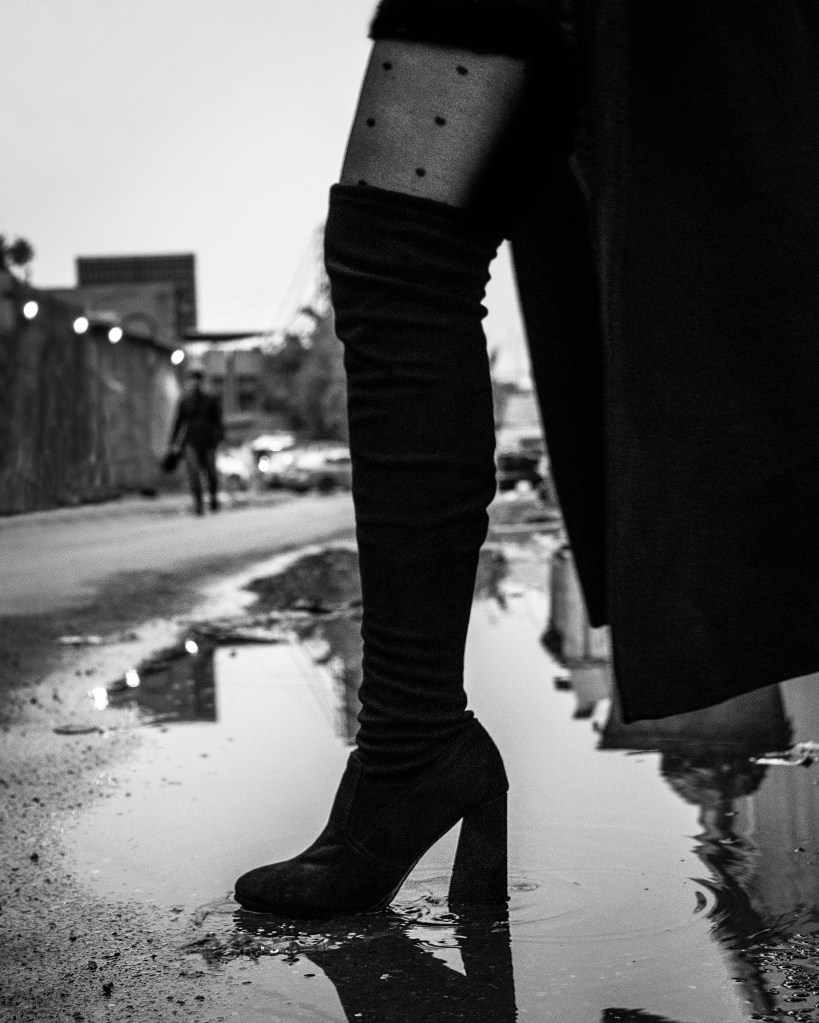
Ahmed Rasul is an Iraqi photographer born in Baghdad, October 1998. He earned his Middle school diploma in 2015, he finished his bachelor’s degree in fine arts, painting school from the Academy of Fine arts, in 2020.
What was your first motivation or the main reason why you became a photographer?
A.R. : I think photography gives me the real feeling of what space of time all means. Meaning, that I completely let myself free, and breaking free from time for long hours without feeling the time, which is a proof how much I do enjoy photography in a strange way.
Photography is a souvenir of the soul. The soul of the person whose sitting in front of the camera, that soul should be apparent as a signature of his photography skillset and how he likes to present his works out to view.
Why do most of your photographs have a classic mood of black and white color character that is intensely or highly concentrated, so to speak?
A.R. : Many reasons why I take photos in black and white. But the most permanent reason for me is the classic black and white pictures, which are more difficult than other types of photography. It needs suitable light with perfect expressive performance by the model in front of the camera, and a suitable environment for the earlier reasons and elements mentioned.
Also choosing fashion carefully and after some discussion and sharing suggestions on how the theme of the photo shoot will mainly or generally be about. Because picking up on a mood, or certain style is an important element in black and white photo session. Aside from that, I sometimes face some sort of challenge in the simple environment when it comes to black and white photography is the easiest to refrain.
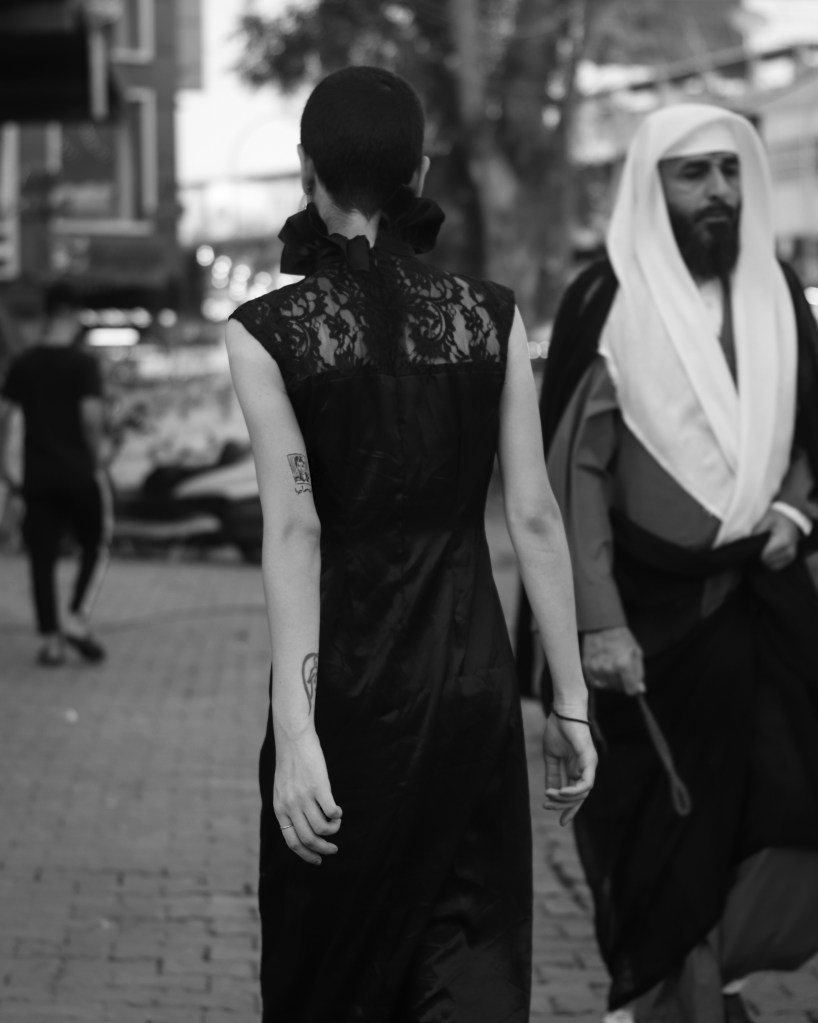
And the difficulty of this type of photography ignites the internal challenge of photography and producing more beautiful pictures every time I take pictures of someone. The secondary and slightly influential reason is the Iraqi built color environment. Iraqi streets are dominated by gray colors, such as buildings, shops, and streets. Gray colors are widely used, making them an ideal environment for black and white photography.
Spiritually, black and white photography reflects the soul without eye-catching additions like what we see in eye-catching colors. The focus of the recipient of the pictures is on the spirit of the model only without distraction.
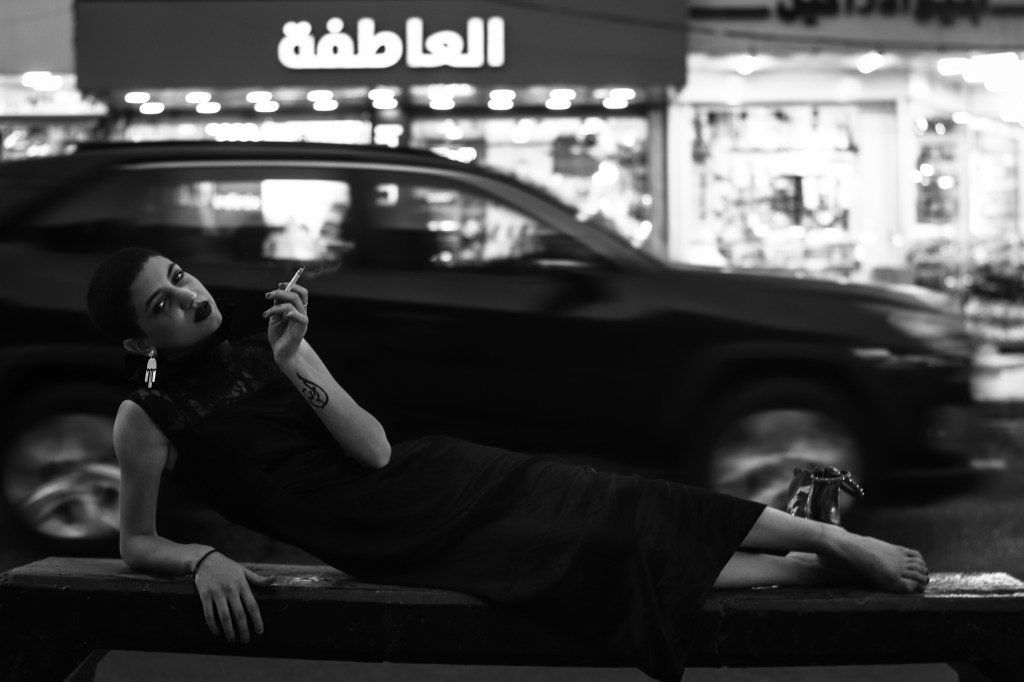

What was the main reason that gave you the motivation toshoot in black and white? Can we say that this is your identity in the world of photography?
The First catalyst for introducing the identity of black and white photography is mainly a spiritual reflection on my inner impression. I put forward my real identity in the form of a picture that has the chance and ability to express what is inside me. All the pictures taken are an expression of myself.
How and where did you get the idea to specialize in photography art? How did you discover yourself through it? When did the first spark come to you? Do you remember the situation that made you enter this field and since when?
A.R. : Before I dived into the world of photography. I became a professional in drawing and one of the most important reasons I entered photography was because of painting.
My paintings, belongings to the classical realist school and most of the artworks painted were portraits.
During my studies in fine arts, I painted many paintings. So the idea of photography started to devour me because of the short period of production of advanced portrait paintings with a modern camera.
I started taking portrait photos in minutes instead of drawing them for weeks to finish them.
And then I started filming with my mobile phone. I took pictures of my colleagues in college that were not prepared for them (spontaneous). I kept taking pictures year after year. I got a camera for beginners and the world of photography began to dominate my artistic sense, which I deepened greatly over time.
I discovered that I was created to document real human beings in front of my camera.
My love for human beings first and for the world of photography secondly made me discover the right identity that my soul most wants and desires.
It is said that every person or artist has their own inspiration, and inspirational figure. So, who is that inspiration for Ahmed Rasul?
After the passage of intensive training time on the camera, lighting, and the field of photography in general. During my research on the history of photography, I was influenced by various photographers and their vision of human figures in front of their cameras. One of the inspiring Iraqi photographers for me is Latif Al-Ani. My inspirational German photographer is Peter Lindbergh; and that’s due to their proximity to my photographic vision and their philosophy in art photography.

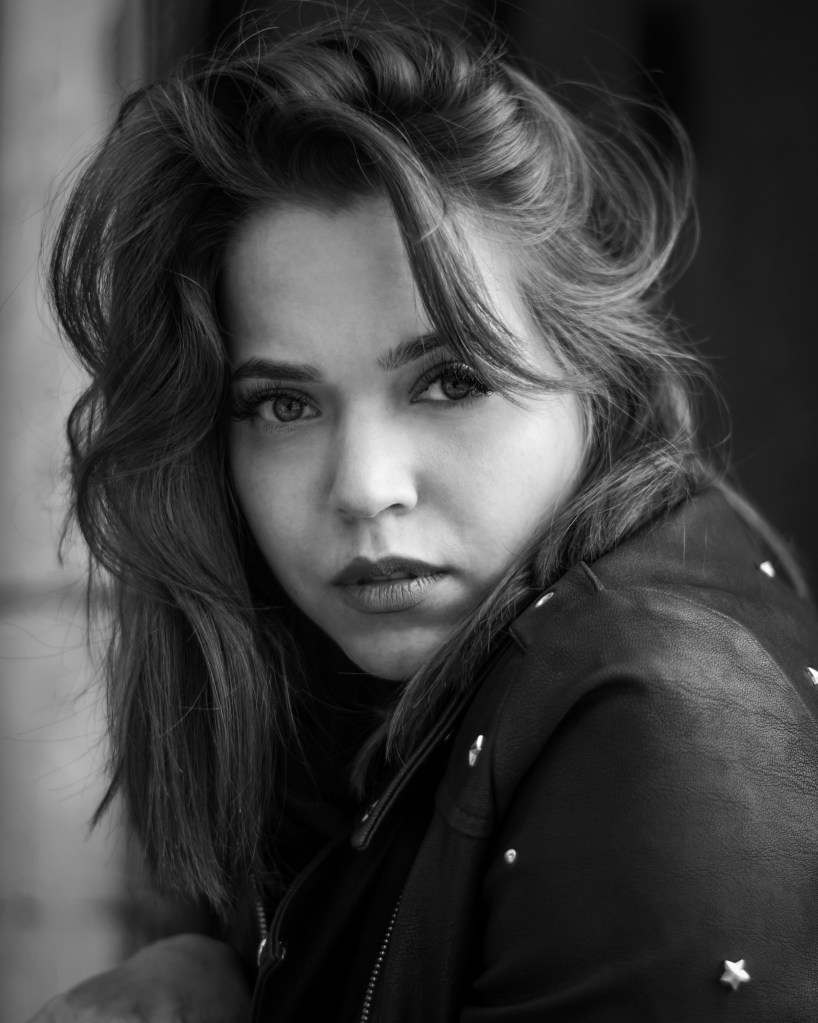

What is the motivation for Ahmed Rasul to take the photo(s) or do a full photo session? Examples to bring on if possible.
A.R. : The first motivation is the negative psychological impact on me. Pushes me to shoot right away.
The second incentive is my dream for my photographers to reach the largest number of recipients possible not only locally, but out. Photography is my comfort zone circle to reach my soul smoothly through it and put what is in my soul on a visual image.
Have you identified yourself by choosing the identification line that embodies you and represents you in the art of photography? Is portraiture the one preferred by Ahmed Rasul most of the time over other subjects?
A.R. : Identification is one of the most important goals of a true artist. Identifying me in this profession was automatic, because I knew from the beginning what to call myself or how I should present myself in better words. And that was even before I started taking pictures. In painting, I spent a long time searching for my identity, and this shortened the way of discovering and identifying myself as an artist and photographer together. More preferably my artistic career in photography.
Adding to that experience is an important factor to determine the identity and type of photography for anyone who loves the world of photography.
During the experiment, many types of photography such as press and street photography, product and commercial photography and portraiture. I really found that what represents my true passion is portrait photography. Certainly, I prefer it to many topics.
What obstacles or challenges did you face in your early days? Is it still going on to this time?
A.R. : At the beginning of every dream, it is normal to have countless obstacles, but the art of photography carries bigger obstacles than most young dreams. An example of the great obstacles I personally have faced is the cultural delay of most Iraqi society for art in general and especially for photography. The scarce acceptance that I face within society and the environment and other cultural norms is often harmful. But hope is evident in recent years. I see an unprecedented acceptance of photography in general, and this is what drives me to joy because we, as the Iraqi people, have that type of minds that can surpass other cultures. Me and other artists aim to showcase art to the eyes of our Iraqi society in a clear way without blemishes. With the passage of time, we will be distinguished by art and compete with the rest of the artistic cultures and expand to other countries. Furthermore, In the beginning, I had trouble dealing with the camera, and I couldn’t find satisfactory workshops or programs to learn real creative photography. I resorted to learning from my favorite photographer Peter Lindbergh. I had to buy a workshop for him and learned what professional photography is.
The problems I face are not limited, the most important of which is the lack of models mainly.
The solutions to this problem have become clear recently with the establishment of Modeling agencies inside Iraq, and this is what pleases me and pleases any professional photographer and artist.
Aside from the earlier reasons, I should also mention that the scarcity of architectural designs inside Iraq, as well as the lack of interest in old heritage buildings, and the lack of aesthetics in the streets, have pushed me to reduce quality sometimes because the photographer depends on like I said the environment in which the mood stands for what a real and outstanding photography should rely upon.
Also, the little support from the Iraqi Artists Syndicate for most areas of art and entertainment, not only photography. Obviously, it is natural that by itself will be accused of reducing support in the past period, but in the coming times, special attention will be paid to artists due the speed of art development in Iraq. And that gives us a sign of hope that what’s coming next will be better.
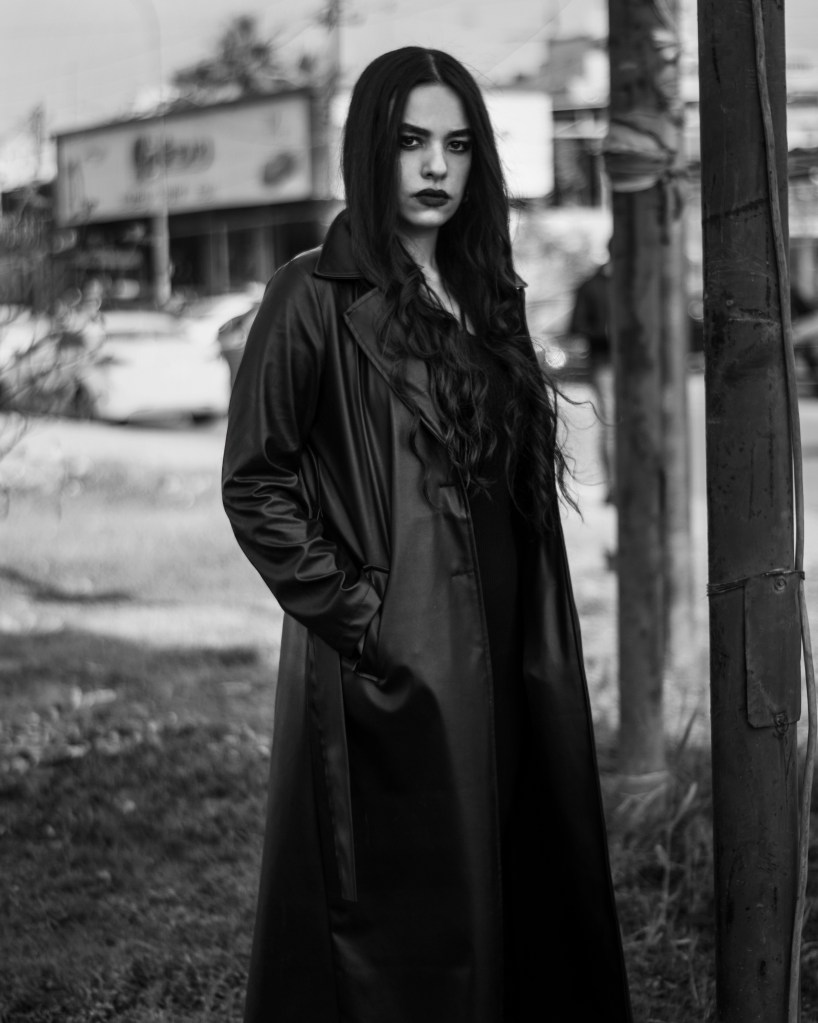
Is the photography environment in Iraq easy or easy for the photographer? If not, can you give examples?
A.R. : For me and my identity in the world of photography, the environment of Iraq is the most beautiful environments for photography basses. But it is not free from shortcomings. This shows the difficulty for the photographer in terms of the shortcomings carried by the Iraqi overall atmosphere.
Culturally, societal acceptance, providing resources for the photographer (models), and engineering creation that needs to be modified and developed; lack of projects for photographing models, lack of professional Iraqi electronic platforms and physical publication journals and lack of fashion shows and designers.
Despite the many obvious problems in the Iraqi environment, it is considered one of my favorite environments for photography. It has enough magic to have most of my photos taken with it.
And personally speaking, I will not explain any other environment other than the Iraqi environment for filming. It’s my favorite place. And the world one day, will prove this once again one day. And I think that day isn’t far from reach to be witnessed.
The artist has a special language that distinguishes him from his fellow artists, what do you think you are following a plan, a method, an idea that may be different from the rest of your peers and professional photographers in the artistic or even media communities? Note: You have space, and I don’t want the narrative to be modest on this question, here is your own space that you can express yourself freely without restrictions and with all transparency if you can. Rasul?
A.R. : Personally, artistic identity determines my respect and appreciation for the art of artists from my peers. Each artist has a special identity that has multiple ways to produce eye-catching works of art.
Most of the artists from my peers carry a beautiful feeling towards the art they specialize in. But they lack moral and fair artistic competition.
The more and bigger scale of competition between photographers, the greater the fun and love towards the art of photography in exchange for intensive production of images, and the impact of real competition is positive and a good, healthy addition to the Iraqi history of photography.
One of the notable problems is the lack of use of Iraqi identity in the photos taken by most peer photographers. Iraqi identity is important if it is added in the form of fashion or an environment surrounding the model or the mood itself.
Repetition is one of the negative factors affecting Iraqi art. The intensive reproduction of works of art in surviving cultures neglects the rich themes of the Iraqi environment. Cooperatives should be established between photographers to exchange experiences between them and produce higher quality images.
My style is simple. It can be abbreviated. You must love the person who stands in front of your lens.
Every artist has a message, so what is the message of Ahmed Rasoul to his friends, followers and his ingrowing fans and supporters now and in the future?
A.R. :My message to everyone who reads:
“Be insistent with everything that makes you happy. Be diligent in everything that makes you rich. And finally, love of art is a sacred religion and love of life is a duty and love of people is what your heart chooses for you. Follow your heart with everything you say and do in life.”
If you weren’t a photographer, what do you think Ahmed Rasoul would be?
A.R. : I’ll be a realist painter, or a good cook due to my ultimate love for cooking.
Follow Ahmed Rasul on Instagram:
Follow Bedor Al Obaidi on Instagram:
About the writer:
Bedor Alobaidi an Arab American independent journalist & writer, a visual storyteller and a social media influencer with a perspective.
Based in United Statesb since 2008 Alobaidi is as an art lover, new information seeker by exploring other cultures and shifting focus on what's different than she normally see, do or even believe in. She studied Journalism, Translation and Political Science. Moreover, she earned her ( AA ) associates degree in Liberal Arts from Des Moines Area Community College in 2013.
 Al Mahha Art